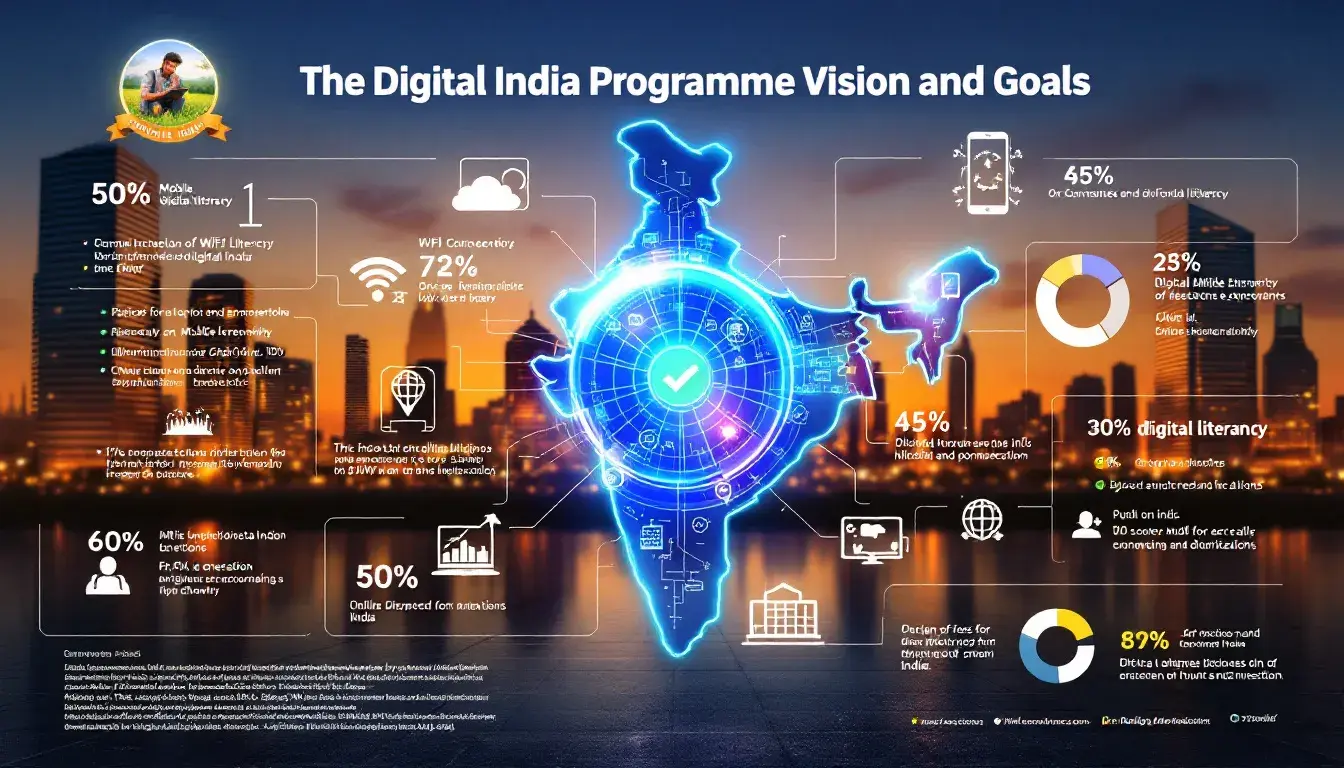
Digital India represents a major transformation in how citizens, businesses, and government institutions use technology. The initiative focuses on making digital services more accessible, improving internet connectivity, encouraging electronic transactions, and creating a technology-driven environment where people can access important services with greater convenience. From digital payments and online education to government portals and mobile applications, technology has become part of everyday life for millions of Indians.
The broader vision of Digital India is not simply about moving paperwork online. It is about building an ecosystem where technology can reduce barriers and create new opportunities. A student in a small town can access online learning resources, a small business owner can accept digital payments, and a citizen can access public services without repeatedly visiting government offices. This growing digital environment is changing how India communicates, learns, works, shops, and conducts business.
What Is Digital India?
Digital India is a nationwide technology-focused initiative designed to strengthen India’s digital infrastructure and improve access to electronic services. It encourages the development of digital platforms, broadband connectivity, online government services, electronic payments, digital literacy, and technology-based solutions for citizens.
The initiative also supports the idea that digital access should extend beyond major metropolitan areas. Rural communities, smaller cities, students, entrepreneurs, farmers, and local businesses can benefit when reliable connectivity and affordable digital tools become available. The transformation is therefore both technological and social because it can influence employment, education, commerce, communication, and access to essential services.
Key Areas Driving Digital Transformation
1. Digital Government Services
Government services are increasingly being delivered through online platforms and mobile-based systems. Citizens can complete various applications, obtain documents, check information, make payments, and track services without depending entirely on physical offices.
This shift can save time and reduce administrative effort. Digital records can also make information easier to organize and retrieve. For citizens, the biggest advantage is convenience, especially when services are designed with simple interfaces and support multiple languages.
2. Digital Payments and Financial Access
Digital payments have become one of the most visible examples of India’s technological transformation. Smartphones and payment applications allow consumers to transfer money, pay bills, purchase products, and conduct business electronically.
Small retailers have particularly benefited from this change. A local shop can accept digital payments without maintaining complex payment infrastructure. For consumers, electronic transactions can provide speed and convenience while reducing the need to carry cash for everyday purchases.
3. Digital Education
Technology has changed the learning experience for students and teachers. Online classrooms, educational applications, recorded lessons, digital libraries, and virtual learning platforms can supplement traditional education.
Students who previously had limited access to specialized educational material can now explore resources from different institutions and educators. However, successful digital education depends on more than providing content. Students also need reliable internet access, suitable devices, digital skills, and guidance to use online resources effectively.
4. Digital Healthcare
Healthcare is another area where digital tools can improve accessibility. Online appointments, electronic records, teleconsultation services, health information platforms, and digital communication can help connect patients with healthcare providers.
For people living far from major medical centers, remote services can sometimes reduce unnecessary travel. Digital systems can also support better organization of patient information when implemented securely and responsibly.
Digital India and Opportunities for Businesses
Technology has created new possibilities for entrepreneurs and established companies. Businesses can promote products through digital channels, communicate with customers through mobile platforms, accept electronic payments, and operate online stores without requiring a large physical presence.
A small business can now reach customers beyond its immediate neighborhood. Digital marketing can help entrepreneurs identify specific audiences, while cloud-based software can simplify accounting, communication, inventory management, and collaboration.
Content platforms such as advicethespoonathletic.com also reflect how digital publishing allows specialized information to reach audiences beyond traditional geographic boundaries.
| Digital Area | Major Benefit | Potential Impact |
|---|---|---|
| Digital payments | Faster transactions | Easier commerce |
| Online education | Wider learning access | Better educational opportunities |
| E-governance | Convenient public services | Reduced paperwork |
| Telehealth | Remote consultations | Improved accessibility |
| Digital commerce | Wider customer reach | Business growth |
| Cloud technology | Flexible operations | Greater productivity |
How Digital India Helps Rural Communities
One of the most important goals of digital transformation is reducing the technology gap between urban and rural communities. Better connectivity can allow people in smaller towns and villages to access information, education, banking, government services, and online marketplaces.
Farmers can use digital platforms to explore agricultural information, weather updates, market conditions, and government resources. Local entrepreneurs can advertise products online and reach customers outside their immediate area. Young people can explore remote learning and employment opportunities without necessarily relocating to a major city.
The impact of connectivity can therefore extend well beyond smartphones. When infrastructure, affordability, digital literacy, and useful services develop together, technology can become an important tool for economic participation.
Digital Literacy: A Critical Requirement
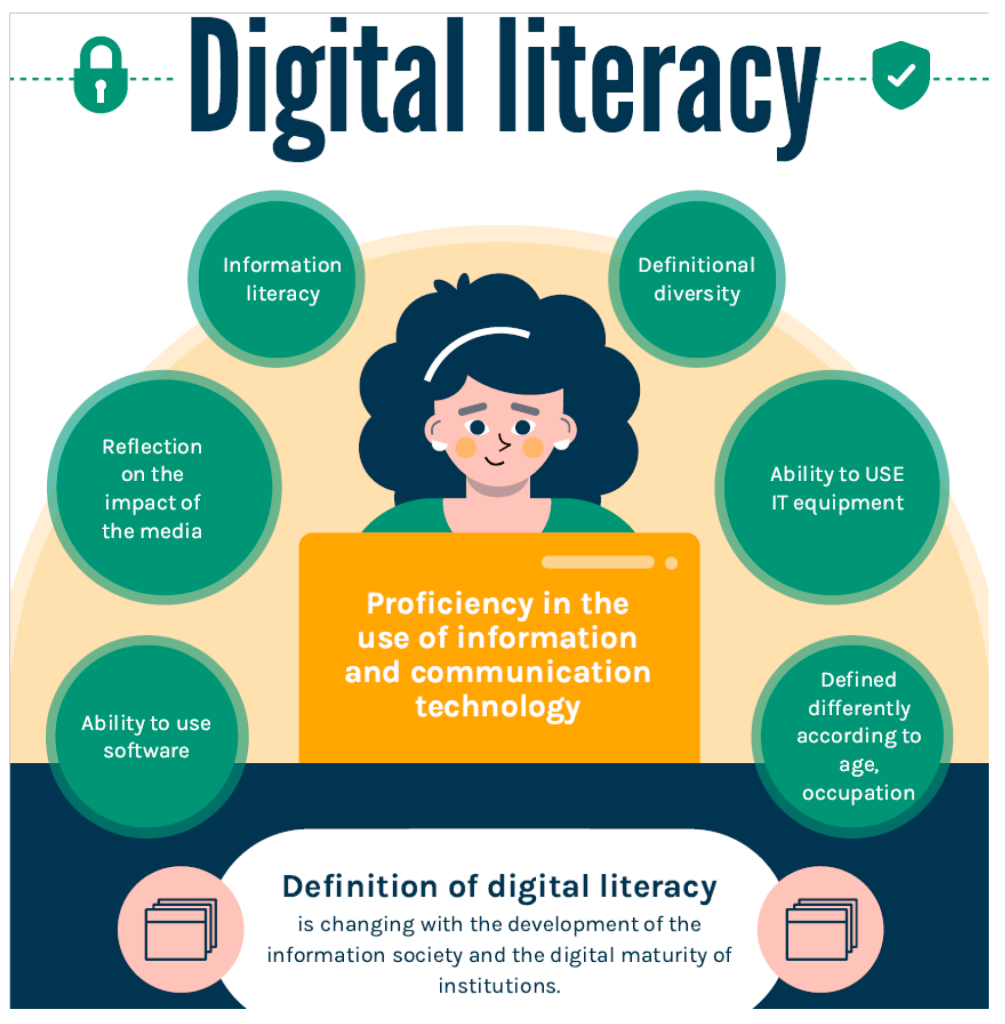
Access to technology is only one part of digital transformation. People must also understand how to use digital tools safely and effectively. Digital literacy includes basic skills such as operating devices, navigating websites, completing online forms, recognizing suspicious messages, creating secure passwords, and protecting personal information.
This is especially important as online scams and misleading information become more sophisticated. Users should learn to verify sources, avoid sharing confidential information unnecessarily, and be cautious when receiving unexpected payment requests or links.
Platforms such as itsnewscod.com demonstrate how digital publishing has become an important part of the wider online information ecosystem, making responsible digital consumption increasingly important.
Challenges Facing Digital Transformation
Despite significant progress, several challenges remain. Unequal internet access, limited digital literacy, cybersecurity risks, language barriers, affordability concerns, and differences in device availability can prevent some communities from benefiting equally.
Privacy is another important consideration. As more personal information moves through digital systems, organizations must prioritize strong security practices and responsible data handling. Users also need greater awareness of how their information is collected and shared.
Another challenge is ensuring that digital services remain accessible to people with different levels of technical ability. A complicated application can become a barrier even when the underlying technology is advanced. Simplicity, accessibility, multilingual support, and reliable customer assistance should therefore remain central to digital service design.
The Role of Smartphones in Everyday Digital Life
Smartphones have become one of the primary gateways to digital services in India. A single device can provide access to communication, banking, entertainment, shopping, education, navigation, government information, and professional tools.
This mobile-first environment has helped digital services reach people who may not own traditional computers. It has also encouraged businesses to design websites and applications around smaller screens and faster mobile interactions.
For businesses such as those represented by finntechzooms.com, the growing digital economy creates opportunities to develop technology-based services that address changing consumer and business needs.
Digital India and Future Employment
Digital transformation is also influencing the employment landscape. Demand is growing for skills related to software development, cybersecurity, digital marketing, data analysis, cloud computing, artificial intelligence, online customer service, and content creation.
Remote work and online freelancing have further expanded the range of opportunities available to skilled workers. Someone living in a smaller city may be able to work with clients or companies located in completely different regions.
At the same time, automation means workers must continuously develop their skills. Digital transformation is not only creating new jobs; it is also changing the abilities required for existing roles. Continuous learning will therefore become increasingly valuable.
Building a Safer Digital Future
The future of India’s digital economy will depend heavily on trust. Citizens need confidence that digital services are secure, businesses need dependable technology infrastructure, and organizations must treat personal information responsibly.
Cybersecurity awareness should become a basic digital skill rather than something reserved for technology professionals. Users should regularly update devices, use strong authentication methods, verify unfamiliar requests, and avoid sharing sensitive information through untrusted channels.
Web-based projects such as itsgettransmac.com illustrate the broad reach of digital publishing and online services, but every digital platform ultimately benefits from responsible security and user practices.
What the Future Could Look Like
The next stage of digital transformation is likely to involve increasingly intelligent and connected services. Artificial intelligence, automation, cloud computing, digital identity systems, advanced analytics, and connected devices could influence how citizens interact with businesses and public institutions.
The strongest results will come when technology is designed around real human needs. Digital development should not focus only on creating sophisticated platforms. It should also ensure affordability, accessibility, security, language support, and ease of use.
Emerging digital communities represented by yourtopicsandstories.com show how online platforms can provide new spaces for information sharing and audience engagement. As connectivity expands, the digital ecosystem will continue to become more diverse.
Conclusion
Digital India is more than a technology initiative; it represents a broader shift toward a connected, accessible, and digitally enabled society. Online government services, electronic payments, digital education, healthcare technology, e-commerce, and remote employment are changing everyday experiences across the country.
The journey still involves challenges, particularly around connectivity, cybersecurity, digital literacy, privacy, and equal access. However, continued investment in infrastructure, skills, innovation, and responsible technology can help ensure that digital progress benefits a wider section of society. The future of India will increasingly depend on how effectively technology is combined with inclusion and human-centered development. With the right balance of innovation, security, education, and accessibility, Digital India can continue creating opportunities and building a stronger foundation for the country’s digital future.